Recently I became embroiled in arguments on a couple of blogs regarding how much authors should pay to publish their books (I’m always getting in trouble). I mentioned that the cost of professional editing, formatting, and cover design, can be in excess of a thousand dollars, and then I went on to argue that not all self-published authors could justify paying for this, and that it is acceptable to publish without meeting these requirements.
I got several replies to my argument. I was told that if I did not have my book handled by professional editors, formatters, and cover designers, I was asking readers to take a risk on poor writing just because I, the author, decided to penny pinch. I was told that my mindset is what hurts the reputation of Indie authors. I was told that polishing my work can only help retain my audience. I was told that if I am putting out a product that I am asking people to buy, it is my duty to make it perfect.
Let me be clear about something. If you feel your book SHOULD be perfect then yes, by all means go out and spend whatever is needed to make it so. If you feel making your book as good as possible will give you an edge when your lucky break comes along a few years down the line, then likewise go ahead. I respect this; no problem. Everyone has their strategy. Let me tell you about mine.
I reason that when you are considering making an investment you always have to gauge your chances of success. Why would you spend money if you are not likely to make a profit or even recover your investment? Books can be viewed as an investment, and they are a very high risk-investment. The majority of books will not sell well, this is a fact. I wanted to publish my short stories. But as new author I had never written a book, published it, or promoted it. I felt it would be unrealistic of me to assume that my book would be a success even a modest one. Thus it was clear to me that sinking 1,000 plus dollars into a book with five stories that I would sell for $0.99 or $1.99 was a very risky proposition.
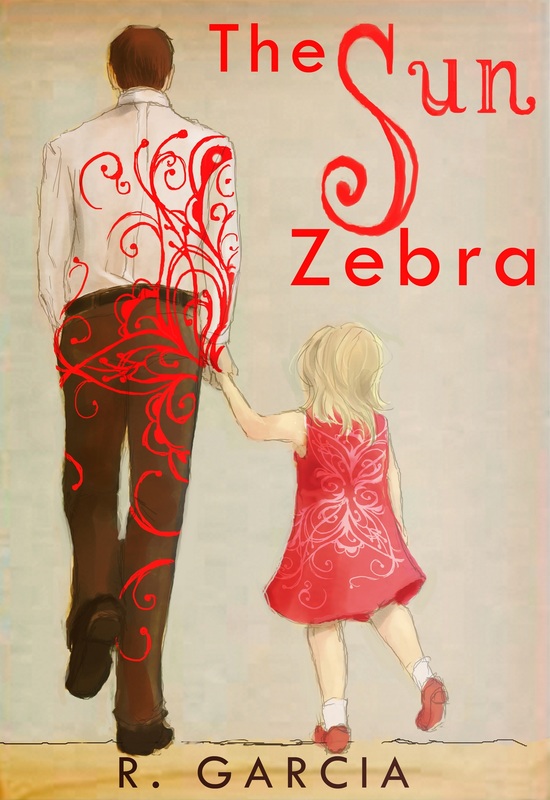
I decided that I would publish my first book The Sun Zebra for free. With the help of friends I got the editing, formatting, and the cover design done. I made mistakes along the way and corrected them. My book is not “perfect,” but readers have liked it. I am proud of this. I did it without spending a single dollar on publishing the book, and I even made a modest amount of money. Now that I know more about writing, publishing, and promotion, I reason that the risk associated with publishing my next book is less. Because of this I plan to invest the money that I gained from the Sun Zebra on my next book. I plan to keep on doing this (using the gains of one book to finance the next), and if my earnings keep increasing I will be able to pay more for editing, formatting, and cover design in the future.
As I wrote above, this is just my strategy. I accept that there are many other equally valid ones, and I respect them. However, I cannot agree with the notion that every new author HAS to spend a large sum of money on professional editing, formatting and cover design services for their book, with the alternative presumably being not to publish at all. This in effect sets the bar so high that we are back again to a gatekeeper model, which is what we are trying to avoid by being independent authors to begin with.
What do you think about this, and what is your strategy?
***
If you like this blog you can have links to each week's posts delivered to your e-mail address. Please click here.
I got several replies to my argument. I was told that if I did not have my book handled by professional editors, formatters, and cover designers, I was asking readers to take a risk on poor writing just because I, the author, decided to penny pinch. I was told that my mindset is what hurts the reputation of Indie authors. I was told that polishing my work can only help retain my audience. I was told that if I am putting out a product that I am asking people to buy, it is my duty to make it perfect.
Let me be clear about something. If you feel your book SHOULD be perfect then yes, by all means go out and spend whatever is needed to make it so. If you feel making your book as good as possible will give you an edge when your lucky break comes along a few years down the line, then likewise go ahead. I respect this; no problem. Everyone has their strategy. Let me tell you about mine.
I reason that when you are considering making an investment you always have to gauge your chances of success. Why would you spend money if you are not likely to make a profit or even recover your investment? Books can be viewed as an investment, and they are a very high risk-investment. The majority of books will not sell well, this is a fact. I wanted to publish my short stories. But as new author I had never written a book, published it, or promoted it. I felt it would be unrealistic of me to assume that my book would be a success even a modest one. Thus it was clear to me that sinking 1,000 plus dollars into a book with five stories that I would sell for $0.99 or $1.99 was a very risky proposition.
I decided that I would publish my first book The Sun Zebra for free. With the help of friends I got the editing, formatting, and the cover design done. I made mistakes along the way and corrected them. My book is not “perfect,” but readers have liked it. I am proud of this. I did it without spending a single dollar on publishing the book, and I even made a modest amount of money. Now that I know more about writing, publishing, and promotion, I reason that the risk associated with publishing my next book is less. Because of this I plan to invest the money that I gained from the Sun Zebra on my next book. I plan to keep on doing this (using the gains of one book to finance the next), and if my earnings keep increasing I will be able to pay more for editing, formatting, and cover design in the future.
As I wrote above, this is just my strategy. I accept that there are many other equally valid ones, and I respect them. However, I cannot agree with the notion that every new author HAS to spend a large sum of money on professional editing, formatting and cover design services for their book, with the alternative presumably being not to publish at all. This in effect sets the bar so high that we are back again to a gatekeeper model, which is what we are trying to avoid by being independent authors to begin with.
What do you think about this, and what is your strategy?
***
If you like this blog you can have links to each week's posts delivered to your e-mail address. Please click here.

 RSS Feed